What Your Electric Bill Pays For
A look at where your energy dollars go — and the value behind them
When you get that monthly electric bill, it’s fair to wonder what you’re really paying for, especially as prices continue to climb.
In short, your bill pays for more than just powering up your home and/or business. It also includes everything it takes to get electricity to you safely and reliably every day.
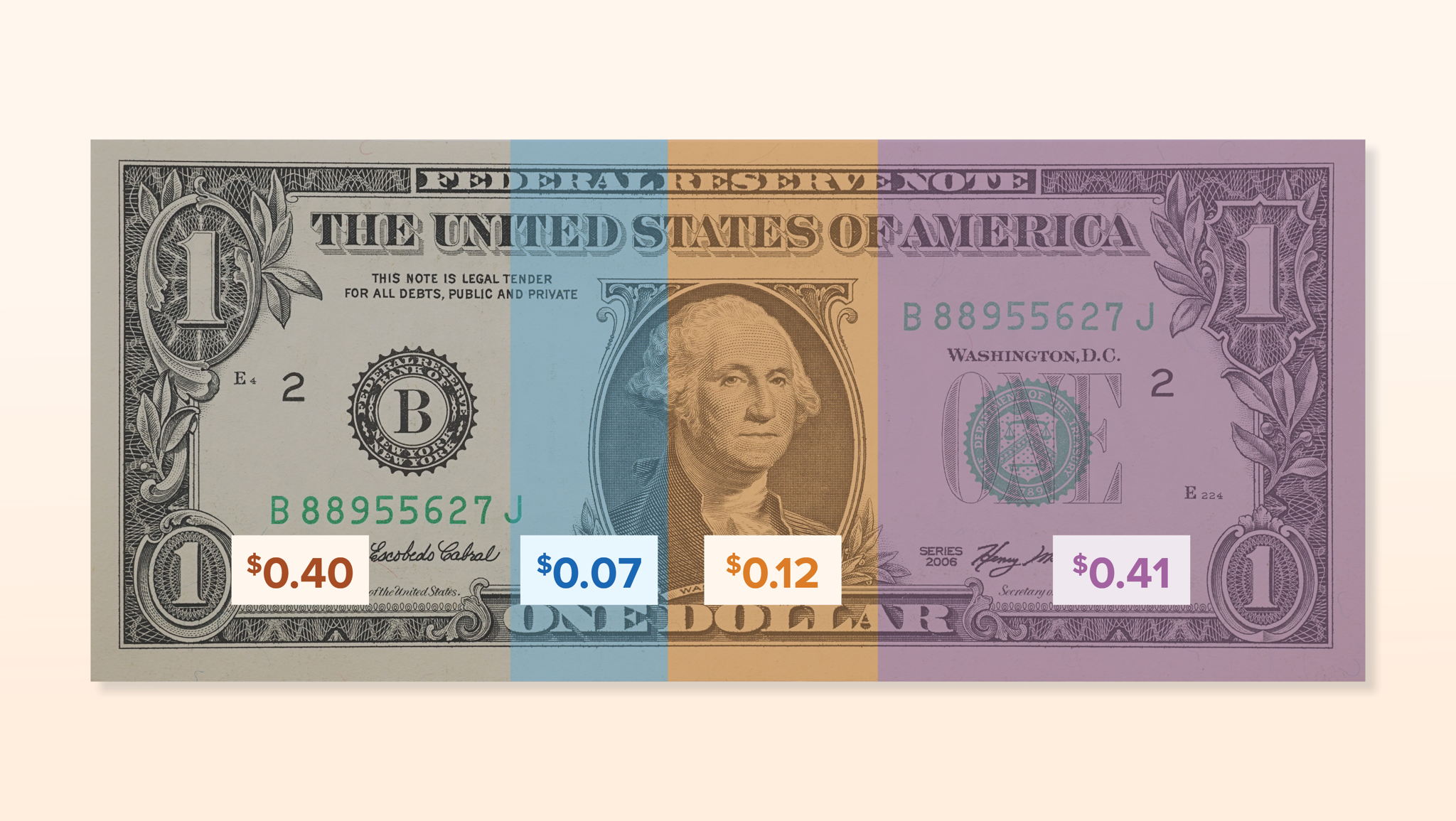
Think about it this way: If your bill was $1, it would be split into four pieces — each covering a different part of the electric system that keeps your lights on.

1. Distribution
This part of the bill is about getting power to your front door. Distribution charges help pay for:
- Power lines and underground cables in your community.
- Poles, transformers and substations.
- Crews who respond to outages and storm damage.
- Ongoing maintenance to keep service flowing safely.
2. State Mandates and Tax Adjustments
Some charges on your bill are tied to programs that DLC is required by law to support. These programs are designed to save energy, support customers and meet statewide energy goals.
They include:
- Energy efficiency programs.
- Universal assistance programs for customers who need extra help.
- State-required tax adjustments.
3. Transmission
This is about moving power into our region. Before electricity reaches your neighborhood, it travels long distances over high-voltage transmission lines.
Transmission charges cover the cost of:
- Transporting power from where it’s generated.
- Maintaining the large-scale electric grid that feeds our region.
4. Generation
As the largest portion of your bill, generation covers the cost of purchasing electricity from the energy supply market. Supply prices can change based on market conditions, which is why this portion of your bill may fluctuate at different times of the year.
When it comes to generation charges, remember:
- DLC does not generate electricity; we only distribute it.
- If you don’t choose a third-party energy supplier, DLC buys electricity on your behalf. This is called the default service rate (or “price to compare”).
- DLC does not profit from generation costs. They are passed straight through from suppliers to consumers.
Managing Your Costs
If you’re looking for ways to better control energy costs, here are some options:
- Budget billing: Helps even out seasonal highs and lows by averaging your usage over 12 months, so you pay a more predictable amount each month.
- Energy efficiency rebates and resources: Programs, products and tips that can help lower your energy use and save money over time.
- Time-of-use supply rate: Offers lower prices during off-peak hours like nights and weekends for customers who can shift when they use electricity.
- Payment assistance programs: Support is available for income-eligible customers who may need help paying their electric bill.